Last updated: September 2026 | By: VerdictLab Editorial Team
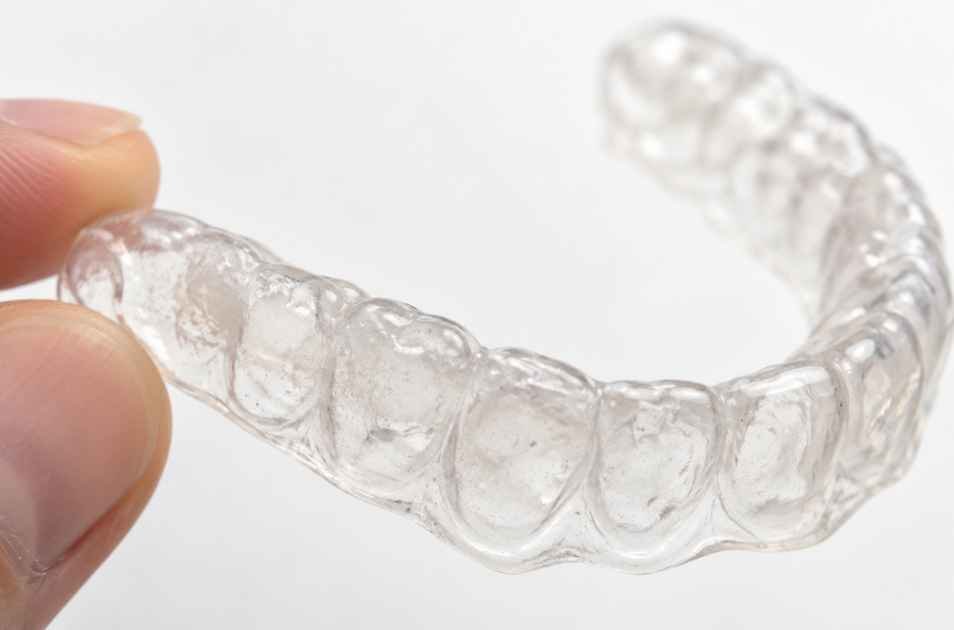
A retainer that used to be clear and now looks cloudy, white-filmed, or speckled with chalky deposits is one of the most common complaints orthodontists hear. The instinct is to scrub harder. That’s usually the wrong move — and can make things permanently worse.
“Cloudy” and “white buildup” aren’t one problem. They’re at least three different problems that look similar, have different causes, and need different responses. Removable mineral deposits, permanently scratched surfaces, and material aging can all produce a whitish or cloudy appearance — but only one of those can be cleaned off.
The first step is figuring out which one you’re looking at.
In This Guide
What’s Causing the Cloudiness?
Hold the retainer under good light and look closely. The appearance gives you the diagnosis.
White chalky film or spots that feel rough or gritty: almost certainly mineral deposits. Calcium and other minerals from saliva (and from hard tap water used for rinsing) crystallise on the retainer surface over time. This is the most common cause and the most treatable — the deposits sit on the surface and can usually be dissolved.
A uniform haze or dull, matte appearance without distinct spots: likely surface scratching. This happens from brushing with toothpaste (the abrasives scratch the plastic), using a stiff brush, or scrubbing too aggressively. Huang et al.’s laboratory research on thermoplastic retainer specimens confirmed that mechanical brushing introduced visible linear abrasions, while ultrasonic cleaning produced comparatively less surface damage. Scratches are permanent — no amount of cleaning reverses them.
Gradual yellowing or overall loss of transparency over months: material aging. Clear thermoplastic loses transparency over time from accumulated micro-wear, chemical exposure, and the inherent aging of the polymer. This is normal and irreversible.
In practice, many cloudy retainers have a combination: mineral deposits on a surface that’s also mildly scratched. The cleaning steps below address the removable layer. What’s underneath may look better — or may reveal permanent damage that was hiding under the buildup.
How to Clean Off Removable Buildup
Start gentle and escalate only if needed.
Step 1: Cleaning tablet soak. Drop a retainer-cleaning tablet (labelled for retainers and clear aligners) into a cup of lukewarm water. Submerge the retainer for the time on the label — usually 15–20 minutes. The effervescent chemistry dissolves surface-level mineral and organic buildup. Rinse and brush gently with a soft toothbrush and mild dish soap afterward. For many retainers with mild-to-moderate buildup, this is enough.
Step 2: Diluted white vinegar soak. If the tablet didn’t fully clear the buildup, try equal parts white vinegar and lukewarm water for 15–20 minutes. The mild acidity helps dissolve hardened mineral deposits that the tablet chemistry didn’t reach. Rinse and brush gently afterward. Don’t extend the soak beyond 20–30 minutes unless your retainer manufacturer’s instructions specifically permit it.
Step 3: Ultrasonic cleaning. If deposits remain after both soaks, an ultrasonic cleaner may help. The cavitation action reaches into surface textures and crevices that soaking alone misses. Add a compatible cleaning tablet to the tank water — ultrasonic with water alone is less effective. Laboratory research found that ultrasonic cleaning restored optical characteristics closer to controls than manual methods, with less surface damage than brushing.
What not to do: Don’t scrape with a fingernail, dental pick, or hard tool. Don’t use baking soda paste, whitening toothpaste, or abrasive cleaners. Don’t scrub aggressively with a stiff brush. All of these scratch the retainer surface, trading one visible problem for another that’s permanent.
If gentle methods don’t remove the deposits, consult your orthodontist before escalating. They may have a professional solution, or they may advise that the retainer needs replacing.
Prevention
Clean daily. Mineral deposits and biofilm accumulate every night. Daily rinsing and gentle brushing with dish soap removes them before they harden. A week of neglect creates buildup that takes real effort to remove.
Deep clean weekly. A cleaning tablet soak once a week prevents the kind of hardened mineral accumulation that daily brushing alone leaves behind.
Don’t use toothpaste. The most common cause of the permanent cloudiness that can’t be cleaned off. Mild dish soap cleans effectively without scratching.
Rinse with filtered water if you have hard water. If your taps leave white deposits on faucets and showerheads, the same minerals are depositing on your retainer. Rinsing with filtered water after cleaning reduces mineral reaccumulation.
Air-dry before storing. A damp retainer sealed in a case creates conditions that accelerate biofilm growth and can contribute to mineral crystallisation.
For the full daily and weekly routine, see: How to Clean a Retainer.
When It’s Time to Replace
Cloudiness alone doesn’t necessarily mean the retainer needs replacing. If the buildup is removable and the retainer still fits correctly after cleaning, it’s functional.
Replacement is warranted when cloudiness can’t be cleaned off (permanent scratching or material aging), when the retainer’s fit has changed, when the material has become brittle or shows cracks, or when persistent odour remains despite thorough cleaning and case replacement.
Ask your orthodontist if you’re unsure. They can assess whether the retainer is still doing its job — holding your teeth in position — even if it doesn’t look the way it did when it was new. Cosmetic degradation and functional degradation aren’t always on the same timeline.
Frequently Asked Questions
Is white buildup on a retainer harmful?
Mineral deposits themselves aren’t directly harmful. But the roughened surface they create gives bacteria more places to colonise, which can contribute to odour and hygiene issues. Removing buildup through regular cleaning is good practice for both aesthetics and hygiene.
Can baking soda remove white buildup?
Baking soda is a mild abrasive. While it may remove some surface deposits, it can also scratch clear thermoplastic retainer material — trading visible buildup for permanent surface haziness. A cleaning tablet soak or diluted vinegar soak is safer.
Why does my retainer turn cloudy so fast?
Several factors accelerate cloudiness: hard water, inconsistent daily cleaning, using toothpaste (abrasive scratching), and individual saliva chemistry. If cloudiness develops within days despite daily cleaning, hard water or toothpaste use are the most likely contributors.
Will an ultrasonic cleaner fix a cloudy retainer?
If the cloudiness is from removable surface deposits, ultrasonic cleaning (especially with a compatible cleaning tablet) may improve clarity. If it’s from permanent scratching or material aging, no cleaning method will reverse it. See: Do Ultrasonic Retainer Cleaners Actually Work?

Sources & References
- Huang X et al. — Effects of cleaning protocols on surface roughness and optical properties of thermoplastic orthodontic retainers (Clinical Oral Investigations, 2025/2026)
- Susarchick L et al. — Staining and cleaning of copolyester retainer material (Materials, 2022)
- American Association of Orthodontists — How to Clean Your Retainer