Last updated: August 2026 | By: VerdictLab Editorial Team
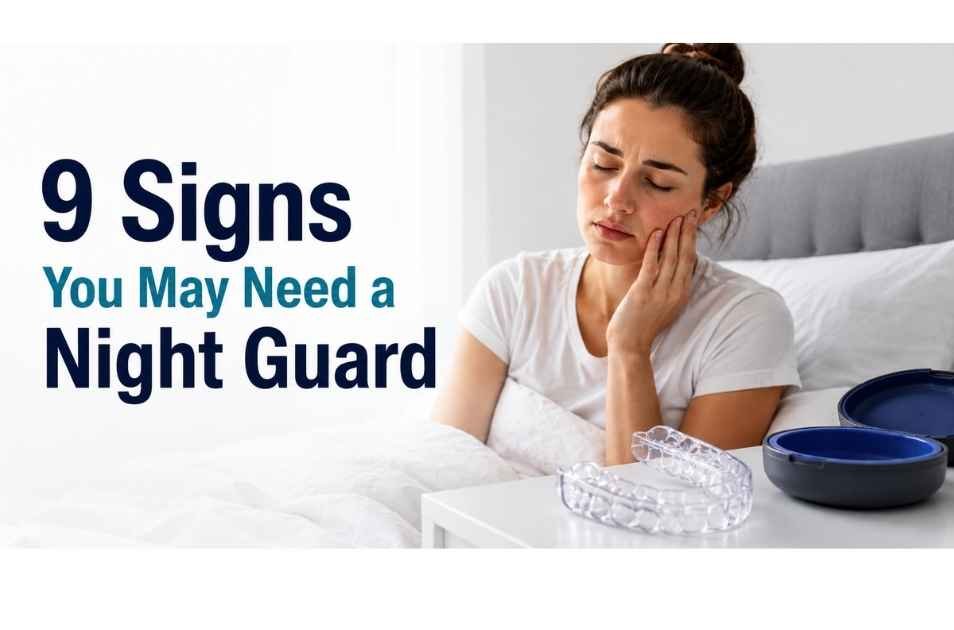
Most people who grind their teeth have no idea they’re doing it. Bruxism happens during sleep, which means you’re unconscious for the entire performance. The grinding itself doesn’t wake you up. There’s no alarm. You just accumulate damage — to your enamel, your jaw muscles, your sleep quality — night after night, often for years, until something finally hurts enough to send you to a dentist.
By that point, the wear is usually visible on your teeth. Enamel doesn’t grow back.
The earlier you catch it, the less damage accumulates. These are the signs dentists and sleep specialists use to identify bruxism — roughly ordered from the most obvious to the ones people tend to dismiss or attribute to something else.
1. Your partner hears it
The earliest warning often comes from someone who shares your bed. Grinding produces an audible sound — a rhythmic scraping or clicking that’s distinct from snoring. Bed partners frequently describe it as unsettling, like someone slowly chewing on gravel.
If someone has told you that you grind your teeth at night, take it seriously. Teeth grinding has a specific, recognisable sound, and a partner reporting it is a strong reason to get evaluated. Your dentist can then examine your teeth and jaw muscles to confirm whether bruxism is actually causing damage.
If you sleep alone, this signal doesn’t exist for you. Which makes the remaining signs more important.
2. Morning jaw pain or stiffness
Your jaw muscles — the masseters, specifically — are among the strongest muscles in your body relative to their size. When they clench and grind for hours during sleep, they fatigue the way any overworked muscle does. The result is soreness, stiffness, or a tired feeling in the jaw when you wake up. It usually fades within an hour or two of being awake, which is why many people dismiss it as “sleeping funny.”
The pattern matters more than any single morning. Occasional jaw stiffness could be from sleeping with your face pressed into a pillow. Jaw stiffness most mornings, especially if it’s bilateral (both sides), points strongly toward bruxism.
3. Morning headaches
A dull, bilateral headache centred at the temples when you wake up is one of the most common bruxism symptoms — and one of the most frequently misattributed. People blame dehydration, poor sleep, stress, caffeine withdrawal, or their pillow before they consider their jaw.
The temporalis muscle — the large fan-shaped muscle at the side of your head — contracts during grinding. Hours of sustained contraction can produce a tension-type headache localised at the temples, often described as a pressing, band-like ache that sometimes wraps around the forehead. Morning headaches have many possible causes, though, so this sign alone doesn’t confirm grinding.
If you’re waking up with frequent headaches, see your doctor to rule out other conditions. If nothing else explains them, mention it to your dentist — bruxism is worth checking for, especially if other signs on this list are present too.
4. Worn, flattened, or chipped teeth
This is the sign your dentist spots — usually before you notice it yourself. Bruxism wears down the biting surfaces of teeth over time, producing a characteristic flattened appearance. Canines lose their points. Molars lose their cusps. The edges of front teeth develop tiny chips or become translucent where enamel has thinned.
Enamel is the hardest substance in the human body, harder than bone. But it’s not indestructible. Tooth-on-tooth grinding wears it down over time, and so can acid erosion, aggressive brushing, and diet. What makes bruxism-related wear distinctive is the pattern — flattened biting surfaces, evenly worn cusps, damage that your dentist recognises as mechanical rather than chemical.
Run your tongue across your lower front teeth. If the biting edges feel flat or uneven — or if you can see that they’re shorter than they used to be — it’s worth mentioning to your dentist. They can determine whether the wear pattern is consistent with grinding or caused by something else.
5. Tooth sensitivity that your dentist can’t explain
Grinding thins enamel. Thinner enamel means less insulation between the nerve inside the tooth and the temperature of what you’re eating. The result is sensitivity to hot and cold that develops gradually, across multiple teeth, without any cavities to explain it.
Sensitivity from a cavity is usually localised — one tooth, one spot. Sensitivity from bruxism tends to be broader — several teeth, both sides, especially the molars and premolars where grinding force concentrates. If your dentist says “your teeth look fine, no cavities” but you’re wincing at cold water, grinding-related enamel thinning is a likely explanation.
6. Jaw clicking, popping, or limited opening
These are TMJ (temporomandibular joint) symptoms. The jaw joint sits just in front of your ear, and bruxism can contribute to problems there — fatiguing the muscles that control jaw movement and adding stress to the joint and its surrounding structures.
A click or pop when you open your mouth wide is actually common and often harmless on its own. Plenty of people have a clicking jaw that’s been there for years and causes no problems. But clicking accompanied by pain, a jaw that occasionally “locks,” or a gradual reduction in how wide you can open your mouth is worth getting evaluated. TMJ disorders are multifactorial — grinding can coexist with or aggravate them, even if it isn’t the sole cause.
For more on the TMJ connection, see: Best Night Guard for TMJ.
7. Earaches with no infection
The TMJ sits millimetres from the ear canal. When the joint is inflamed from grinding, the pain radiates into the ear in a way that feels indistinguishable from an ear infection — a deep, dull ache, sometimes accompanied by a feeling of fullness or muffled hearing.
People visit their GP or ENT for this, get told their ears are clear, and leave confused. Unexplained ear pain has many possible causes, but jaw-muscle tension and TMJ problems are among the more common ones — and they’re frequently missed in general practice. If you’ve had persistent ear pain investigated and found no infection, it’s worth mentioning to your dentist. They can check whether your jaw muscles or joint might be contributing.
8. Tongue indentations or cheek damage
Check the sides of your tongue in a mirror. If you see scalloped indentations along the edges — a wavy pattern that matches the shape of your teeth — your tongue is being pressed against your teeth during sleep. This happens during clenching, which is a form of bruxism that doesn’t involve lateral grinding movement but does involve sustained pressure.
Similarly, check the inside of your cheeks. Chewed-up tissue, white ridges along the bite line, or small sores on the inner cheek surface can indicate that you’re biting or pressing your cheeks against your teeth during sleep. Neither of these on its own confirms bruxism, but combined with jaw pain or headaches, the picture becomes clear.
9. Disrupted sleep you can’t explain
This one is subtle and easy to miss. Bruxism doesn’t wake you up fully — you don’t bolt upright and think “I was grinding.” But sleep bruxism is associated with brief arousals during the night, and some research suggests it may reduce overall sleep quality even when you’re not consciously aware of it. The result can look like waking up tired despite getting 7–8 hours, feeling unrefreshed, or waking multiple times without a clear reason.
If you’ve addressed the obvious sleep disruptors — caffeine timing, screen exposure, room temperature, consistent schedule — and you’re still sleeping poorly, bruxism is worth investigating. A sleep study can confirm it definitively, but a dental exam is the faster and cheaper first step.
What to do if you recognise these signs
See your dentist first. They can confirm bruxism in a single appointment by examining your tooth wear patterns, checking your jaw muscles for tenderness, and looking at the soft tissue inside your mouth. This is faster, cheaper, and more accessible than a sleep study — though your dentist may refer you for one if they suspect a sleep disorder is contributing.
Don’t self-diagnose from a list on the internet. Every sign above can also be caused by something else. Headaches have dozens of causes. Jaw pain can be muscular. Tooth sensitivity can be from acid erosion, not grinding. The purpose of this list is to prompt a conversation with your dentist, not to replace one.
A night guard is the most common next step. If your dentist confirms that grinding is causing or threatening damage, a night guard protects the teeth by absorbing the force instead of your enamel. Some people also find that a properly fitted guard helps with jaw soreness and morning headaches, though results vary by individual. It doesn’t stop the underlying bruxism — you’ll still grind — but the guard takes the damage instead of your teeth. Meanwhile, you and your dentist can work on contributing factors like stress, medications, caffeine, alcohol, or sleep-related issues.
For the full breakdown of guard types and how to choose, see: Best Night Guard for Teeth Grinding (2026). For the evidence on effectiveness, see: Do Night Guards Work?
How many signs before you should worry?
One sign alone — particularly a partner hearing you grind — is enough reason to bring it up with your dentist. The more signs you recognise from this list, the more reason to schedule that appointment sooner rather than later. No checklist confirms a diagnosis on its own, but jaw pain plus headaches, or worn teeth plus sensitivity, are the kind of combinations that make a dentist reach for the examination gloves quickly.
The people who benefit most from early detection are the ones who catch it before significant enamel loss. A night guard at the “jaw pain and headaches” stage prevents you from reaching the “cracked molar and $1,200 crown” stage. Dental work to repair grinding damage is expensive and irreversible. A night guard costs $12–200 depending on type. The math is simple.
For causes and remedies beyond a night guard, see: How to Stop Grinding Teeth at Night.
Frequently Asked Questions
Can you grind your teeth without knowing it?
Yes — and most people do. Sleep bruxism is unconscious by definition. You don’t feel it happening, and it rarely wakes you up. The signs are all indirect: jaw pain, headaches, worn teeth, a partner’s report. Many people grind for years before a dentist identifies the damage at a routine check-up.
Is teeth grinding the same as clenching?
They’re both classified as bruxism but involve different jaw movements. Grinding is lateral — your jaw moves side to side, scraping upper and lower teeth against each other. Clenching is vertical — your jaw presses upper and lower teeth together without lateral movement. Both damage teeth and fatigue jaw muscles. Some people do both. A night guard protects against either form.
Can stress cause teeth grinding?
Stress is the most commonly cited trigger. Anxiety, work pressure, life changes, and emotional tension all correlate with increased bruxism frequency and intensity. But stress isn’t the only factor — medications (particularly SSRIs), sleep disorders, alcohol, caffeine, and smoking are all associated with increased bruxism. Addressing stress alone may reduce grinding but often doesn’t eliminate it entirely. A night guard provides protection regardless of the cause. For the full picture, see: How to Stop Grinding Teeth at Night.
Should I go to my dentist or my doctor?
Start with your dentist. They can confirm bruxism faster than a GP because they’re looking directly at the evidence — your tooth surfaces, jaw muscles, and oral tissue. A GP may refer you to a dentist anyway. If your dentist suspects a sleep disorder (like sleep apnea) is contributing to the grinding, they’ll refer you to a sleep specialist for further evaluation.
At what point is grinding “bad enough” for a night guard?
Whether you need a night guard depends on what your dentist finds — the severity of the grinding, any existing damage, your symptoms, and your risk factors. Not everyone with mild bruxism needs a guard immediately. But when grinding is causing visible wear, cracking teeth, or producing persistent jaw symptoms, a guard is the most straightforward way to stop the damage from compounding. Light grinders typically do well with a soft or thin guard. Moderate grinders with a hybrid. Heavy grinders with a hard guard. The cost of even a premium custom guard ($100–200 online) is a fraction of the dental work required to repair what grinding breaks. For guard options by severity, see: Best Night Guard for Teeth Grinding (2026).
Related Guides
- Best Night Guard for Teeth Grinding (2026)
- Do Night Guards Work? What the Evidence Says
- How to Stop Grinding Teeth at Night
- Best Night Guard for TMJ
- Night Guard vs Mouth Guard: What’s the Difference?
- Custom vs OTC Night Guard: Is Custom Worth It?
- Night Guard Cost: Dentist vs Online vs OTC
- How to Clean a Night Guard